
Introduction to Vegetable Soup
When it comes to comfort food, vegetable soup is a classic that wins hearts everywhere. But the magic truly happens when you make it yourself. Why is homemade vegetable soup a game changer? For starters, it allows you full control over ingredients, which means you can choose fresh, vibrant vegetables that are often more nutritious than their canned counterparts. Fresh produce packs a punch of vitamins and minerals, giving your body the nourishment it craves.
Additionally, homemade versions are customizable. Want more greens? Toss in some kale or spinach. Prefer a spicier kick? A dash of red pepper flakes can do wonders. The flexibility of vegetable soup is one of the many reasons it’s gained iconic status in kitchens around the world. Plus, it’s a fantastic way to use up leftover veggies, helping to reduce food waste—something we can all get behind.
For a deeper dive into the health benefits and cultural significance of vegetable soup, check out Healthline and BBC Good Food. Embrace your inner chef and let this recipe guide you to creating a warming bowl full of health, comfort, and flavor!
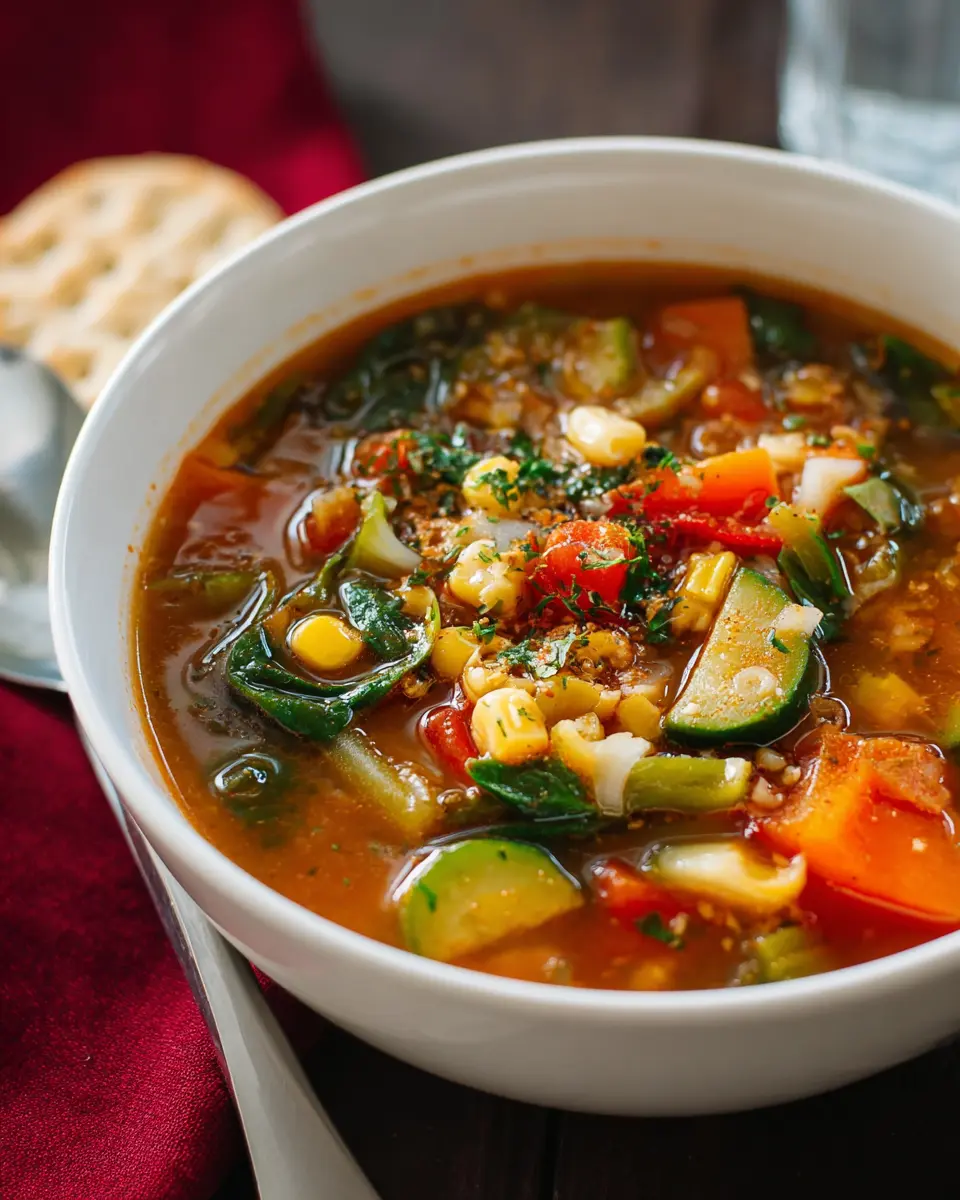
Ingredients for Vegetable Soup
Essential ingredients for a hearty vegetable soup
Creating a delicious vegetable soup starts with fresh, vibrant ingredients that bring both flavor and nutrition to your bowl. Here’s what you'll need:
- Olive oil - for sautéing and a hint of richness.
- Yellow onion, carrots, and celery - the classic flavor trio known as mirepoix, that provides depth.
- Garlic - fresh minced garlic will elevate the soup's aroma.
- Broth - choose low-sodium chicken or vegetable broth for a balanced base.
- Diced tomatoes - adds acidity and color.
- Potatoes - Yukon Gold or Russets work great for a comforting texture.
- Green beans, corn, and peas - these veggies add a variety of textures and vitamins.
- Herbs - fresh parsley and bay leaves infuse an inviting aroma.
For more details on the nutritional benefits of these ingredients, check out resources from the Mayo Clinic.
Optional flavor boosters to elevate your soup
To make your vegetable soup truly unforgettable, consider incorporating a few optional flavor boosters:
- Dried herbs like thyme, basil, or oregano can deepen the flavor profile.
- Parmesan rind - simmering it adds umami richness, perfect for cheese lovers.
- Homemade broth - if you have the time, using your own stock offers superior flavor.
- A splash of lemon juice or vinegar can brighten the taste just before serving.
Experimenting with these additions can transform a simple soup into a culinary delight!
Preparing Vegetable Soup
Making a delicious vegetable soup can be an incredibly satisfying experience, especially on a chilly day. This soup is not only full of vibrant flavors but also packed with nutrients to keep you energized. Let’s break down the steps to craft this comforting dish.
Gather and prep your ingredients
Before diving into cooking, it's crucial to have everything prepped and ready to go. Take a moment to gather your ingredients:
- Olive oil: For sautéing.
- Chopped yellow onion: A medium onion is perfect for starting your flavor base.
- Peeled and chopped carrots and celery: These vegetables add essential sweetness and depth.
- Minced garlic: For that aromatic touch.
- Low-sodium chicken or vegetable broth: This will be your soup’s foundation.
- Canned diced tomatoes: They contribute acidity and richness.
- Potatoes: These add heartiness to your soup.
- Fresh herbs like parsley and thyme: For freshness and flavor.
- Assorted veggies: Green beans, corn, and peas add color and texture.
Prepping everything in advance makes the cooking process smoother and more enjoyable, ensuring you won't miss a step or forget an ingredient.
Sauté the aromatics to unlock flavors
Heat olive oil in a large pot over medium-high heat. Once hot, add the onions, carrots, and celery. Sauté for about four minutes until the onions are translucent and the vegetables soften. Don’t forget to add the minced garlic, which you’ll want to sauté for just 30 seconds. This step is important, as it unlocks rich flavors that form the aromatic base of your vegetable soup.
Create the soup base with broth and tomatoes
After you’ve sautéed your aromatics, pour in the broth and add the diced tomatoes (undrained). This combination serves as the heart of your vegetable soup. Bring the mixture to a boil; this is where the magic starts to happen. Once boiling, it's time to introduce the diced potatoes, chopped parsley, bay leaves, and thyme. Season with salt and freshly ground black pepper to taste. If you want to kick it up a notch, try using a homemade stock or add in a bit of parmesan rind for an extra depth of flavor!
Add the potatoes and herbs for a hearty texture
Once your soup base is bubbling away, it’s time to add the potatoes. Their starchiness contributes to the soup's hearty texture, making it more filling. Stir everything together and bring your soup back to a gentle boil.
Introduce the veggies and simmer to perfection
Now comes the fun part! Add in your green beans, corn, and peas. Reduce the heat to medium-low, cover, and allow it to simmer for around 20 to 30 minutes. This simmering time helps meld the flavors beautifully and ensures your potatoes are tender. When the soup is ready, you’ll have a bright, flavorful mix that’s not just lovely to look at but incredibly comforting to eat.
Enjoy your homemade vegetable soup with a sprinkle of fresh herbs or a dash of extra virgin olive oil before serving! Pair it with crusty bread for a delightful meal. If you’re curious for more tips on enhancing your soup, check out this great resource on flavor balancing.
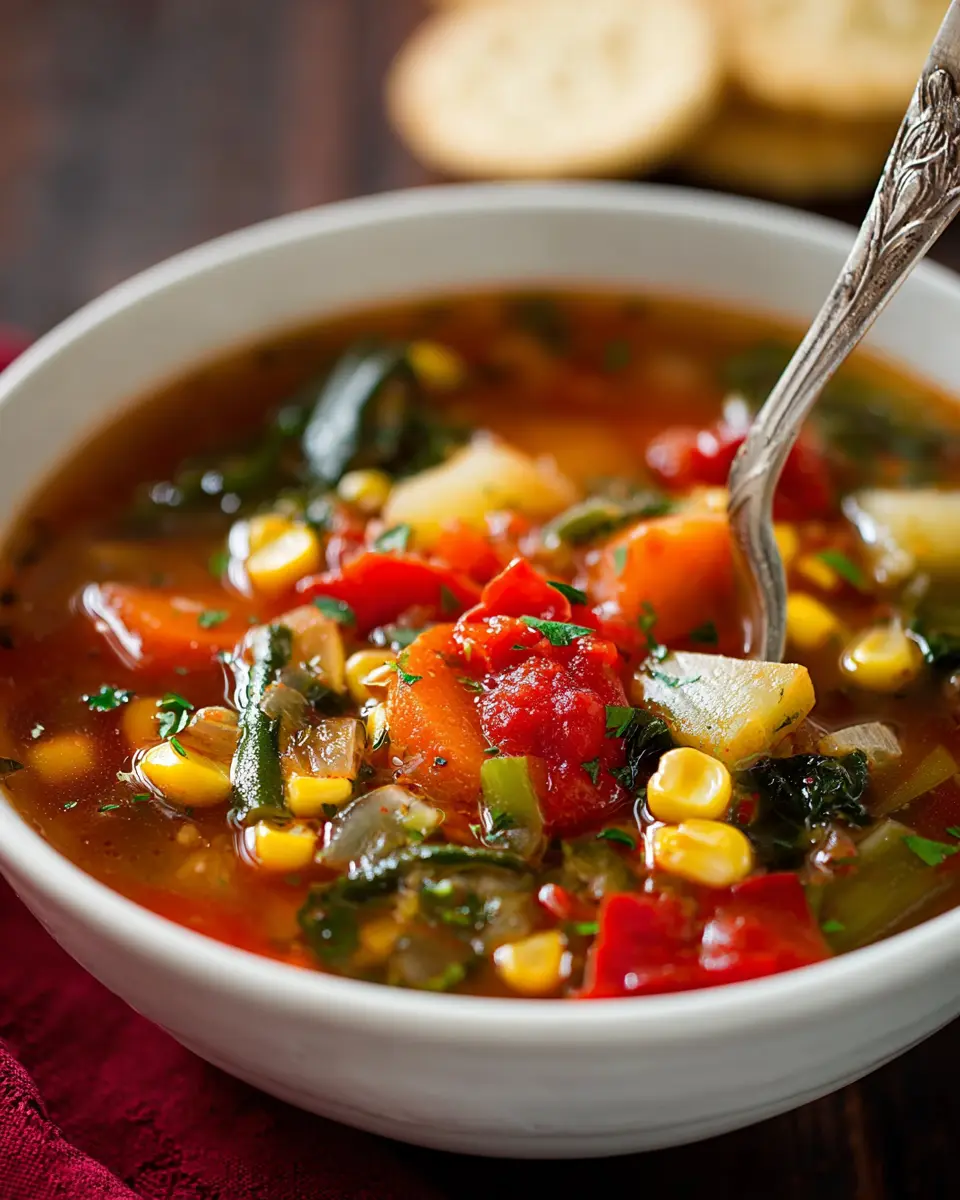
Variations on Vegetable Soup
Creamy Vegetable Soup Option
Transform your classic vegetable soup into a cozy and creamy delight by adding a splash of heavy cream or coconut milk during the final minutes of cooking. For an even richer flavor, blend part of the soup before adding the cream. This will create a beautifully silky texture that makes each spoonful feel indulgent. If you're looking to keep it light, consider using almond milk as a substitute. The creaminess complements the freshness of the veggies remarkably well!
Spicy Vegetable Soup Variation
If you’re in the mood for something a little bolder, try a spicy vegetable soup variation! Start by adding a diced jalapeño or a pinch of red pepper flakes while sautéing the veggies. For an added kick, stir in some chili powder or cumin to create depth. A dollop of salsa can also enhance the spiciness! This variation is ideal for those chilly nights when you crave something warm and exciting. Paired with crusty bread, it’s a hearty meal that’ll warm you from the inside out.
For more insights on swapping ingredients and creating your perfect soup, check out this guide on flavor adjustments.
Cooking Notes for Vegetable Soup
How to Enhance Flavor with Seasoning
To truly elevate your vegetable soup, don’t shy away from seasoning! Boost the flavor by experimenting with herbs like basil, oregano, or even rosemary. For a little zing, consider adding a parmesan rind while it simmers or topping each bowl with grated parmesan and a drizzle of extra virgin olive oil. These simple tweaks will transform your soup from good to outstanding!
Tips for Using Fresh vs. Frozen Vegetables
Whether using fresh or frozen vegetables, you can tailor your vegetable soup to your taste. Fresh produce brings vibrant flavors and textures, while frozen vegetables offer convenience and longevity. If opting for frozen, be sure to check the packaging for cooking times—frozen veggies might need slightly longer to cook. Balancing both can yield the best results, ensuring a hearty bowl every time!
For more tips on incorporating fresh produce into your meals, check out Eat Fresh.
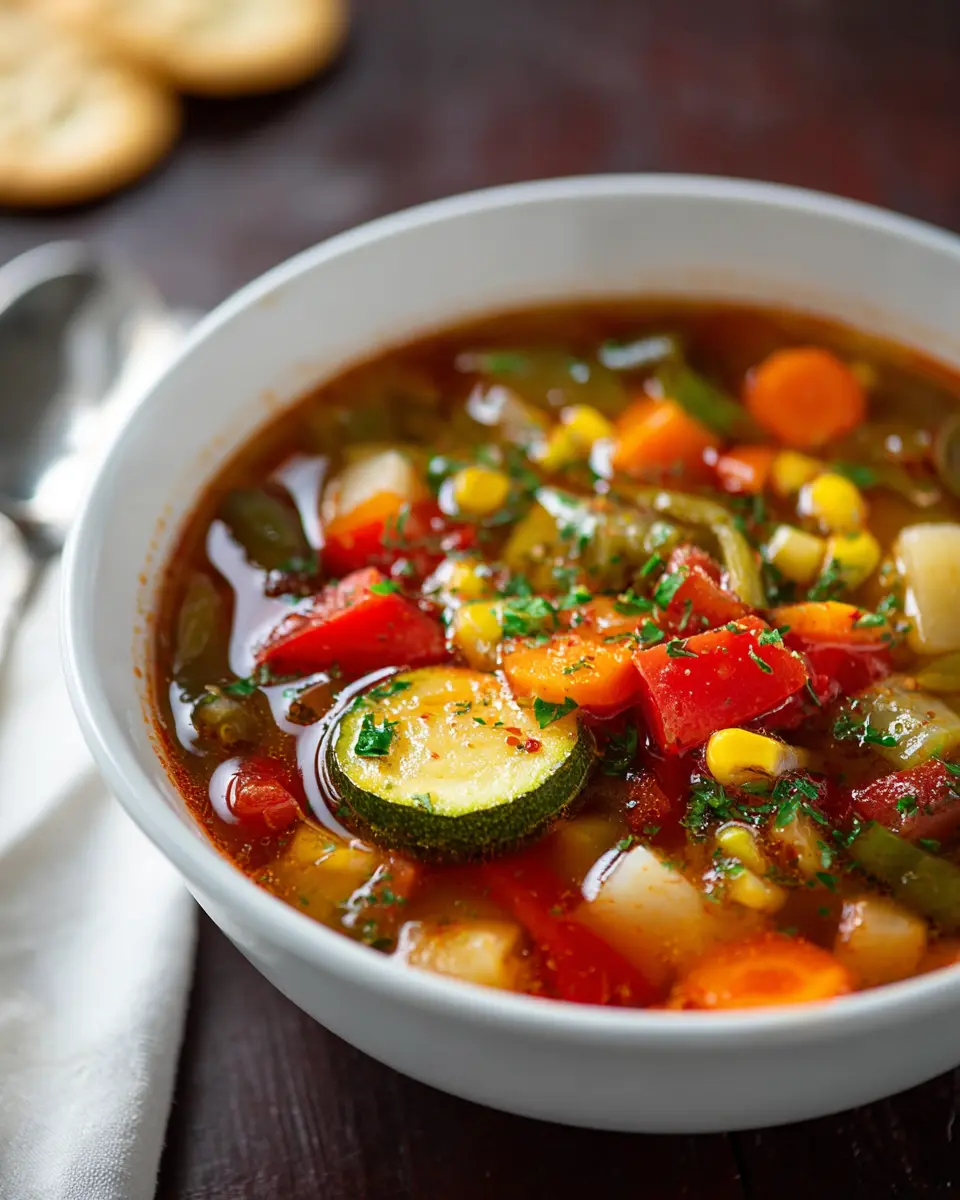
Serving suggestions for Vegetable Soup
Perfect pairings with homemade bread
Serving your vegetable soup is an experience best shared with some warm, homemade bread. A fragrant sourdough or crusty baguette is perfect for dipping into the rich broth, soaking up all those delightful flavors. Consider trying a hearty whole grain or funky focaccia for a unique twist. If you're short on time, store-bought options can also suffice.
Creative toppings to enhance your bowl
Elevate your vegetable soup with some creative toppings! Fresh herbs like cilantro or basil add a burst of freshness. A sprinkle of grated Parmesan or crumbled feta can give a savory touch. You might also consider drizzling a bit of olive oil or a splash of balsamic vinegar for depth. For extra crunch, toss in some roasted seeds or nuts—it's all about what tickles your taste buds! Don't hesitate to play around until you find your perfect combination.
Time Details for Vegetable Soup
Preparation Time
The preparation time for this delicious vegetable soup is just 15 minutes. This quick prep allows you to chop veggies and gather ingredients without feeling rushed. Perfect for a weeknight meal!
Cooking Time
Once you’ve prepped everything, the cooking time clocks in at 40 minutes. During this time, the flavors meld beautifully, creating a comforting and hearty soup.
Total Time
From start to finish, you’re looking at a total time of just 55 minutes. In less than an hour, you can have a wholesome pot of vegetable soup ready to enjoy!
The beauty of making your own vegetable soup lies in its simplicity and speed. For more easy soup ideas, check out this collection of quick soup recipes. You’ll be amazed at how satisfying homemade soups can be!
Nutritional Information for Vegetable Soup
Calories per serving
Our hearty vegetable soup packs just about 150 calories per serving. This makes it a guilt-free option for lunch or dinner, offering a warm, satisfying experience without weighing you down. Perfect for a busy weekday or a cozy weekend meal!
Key nutrients to enjoy
One of the best things about this vegetable soup is its rich array of nutrients. Each serving is loaded with:
- Fiber: Essential for digestion, courtesy of the mixed veggies like carrots, celery, and beans.
- Vitamins A and C: Found in colorful ingredients such as tomatoes and carrots, these vitamins contribute to your overall health.
- Potassium: Essential for heart health, which you can find plentifully in potatoes and beans.
- Low fat: With olive oil being the primary fat source, it's a healthy choice to help you manage your weight.
This delightful blend not only nourishes your body but also provides a burst of flavor with every bite! For more insights on vegetable nutrition, consider checking out Nutrition.gov for comprehensive information.
FAQs about Vegetable Soup
How can I store leftover vegetable soup?
Storing leftover vegetable soup is simple! Just let the soup cool down to room temperature. Transfer it to an airtight container and refrigerate. It will stay fresh for about 3-4 days. For longer storage, consider freezing it in portion-sized containers or freezer bags, where it can last up to 3 months. When you're ready to enjoy, just thaw and heat on the stove or in the microwave!
Can I make vegetable soup in advance?
Absolutely! Making vegetable soup in advance is not only convenient but also enhances the flavors as they meld together. Prepare and cook the soup, then let it cool before storing it in the fridge for up to 3 days. You can also freeze your prepared soup and reheat it for a quick meal during busy weeks. It's perfect for meal prep!
What are some allergy-friendly adaptations?
There are plenty of ways to make your vegetable soup allergy-friendly! If you're avoiding gluten, use gluten-free broth and check for gluten-free noodles or skip them altogether. For dairy allergies, leave out any cheese toppings or use a dairy-free alternative. Additionally, you can customize the veggies based on allergies, making this soup versatile for everyone. Remember to label your ingredients if serving to guests with allergies.
For more tips on making allergy-friendly meals, check out Food Allergy Research & Education (FARE) for expert guidance!
Conclusion on Vegetable Soup
Embracing the Joy of Homemade Soup
Nothing quite compares to the satisfaction of making your own vegetable soup. It's not just food; it's a warm hug in a bowl. With fresh ingredients and a personal touch, you can create a wholesome meal that nourishes both body and soul. So grab your pots, savor the aromas, and enjoy every comforting spoonful!

Vegetable Soup
Equipment
- large pot
Ingredients
- 2 tablespoon olive oil
- 1.5 cups chopped yellow onion (1 medium)
- 2 cups peeled and chopped carrots (about 5)
- 1.25 cups chopped celery (about 3)
- 4 cloves garlic minced
- 4 14.5 oz cans low-sodium chicken broth or vegetable broth
- 2 14.5 oz cans diced tomatoes (undrained)
- 3 cups peeled and ½-inch thick diced potatoes (from about 3 medium)
- ⅓ cup chopped fresh parsley
- 2 bay leaves
- 0.5 teaspoon dried thyme or 1 tablespoon fresh thyme leaves
- Salt and freshly ground black pepper
- 1.5 cups chopped frozen or fresh green beans
- 1.25 cups frozen or fresh corn
- 1 cup frozen or fresh peas
Instructions
- Heat olive oil in a large pot over medium-high heat.
- Add onions, carrots, and celery and saute 4 minutes then add garlic and saute 30 seconds longer.
- Add in broth, tomatoes, potatoes, parsley, bay leaves, thyme and season with salt and pepper to taste.
- Bring to a boil, then add green beans.
- Reduce heat to medium-low, cover and simmer until potatoes are almost fully tender, about 20 - 30 minutes.
- Add corn and peas and cook 5 minutes longer. Serve warm.




Leave a Reply